
Quick Verdict
If you're tired of burning through accounts because your antidetect tool looks like an antidetect tool, Chameleon Mode takes a different approach—and it works.
Verdict: This is a legitimate game-changer for digital marketers managing multiple identities at scale. Instead of forking Chromium (which platforms now flag aggressively), Chameleon runs real system browsers with a spoofing layer on top. The result? Fewer CAPTCHAs, longer account lifespans, and significantly lower detection risk.
Perfect for: SEO pros, social media managers, and growth marketers running dozens to hundreds of aged accounts who need stability over gimmicks.
The catch? There isnt one, its a one-click solution. You dont needto understand proxy matching and geo-sync —this is built for beginners experimenting with throwaway profiles and seasoned pros with aged accounts you don't want to lose.
Who This Is For

Perfect for:
SEO professionals managing 10+ client accounts across Google platforms who need stable, long-lived profiles without constant re-verification
Social media managers running multiple brand accounts on Meta, X, or LinkedIn who've hit platform limits or faced suspicious activity flags
Digital marketers scaling paid campaigns across regions who understand proxy basics and need IP-timezone-locale sync that actually works
Agency teams juggling 50+ client logins who need shared profile access without triggering security alerts
Not ideal for:
Complete beginners expecting one-click setup with zero learning curve
Teams running high-churn, disposable account strategies where account lifespan doesn't matter
Product Overview
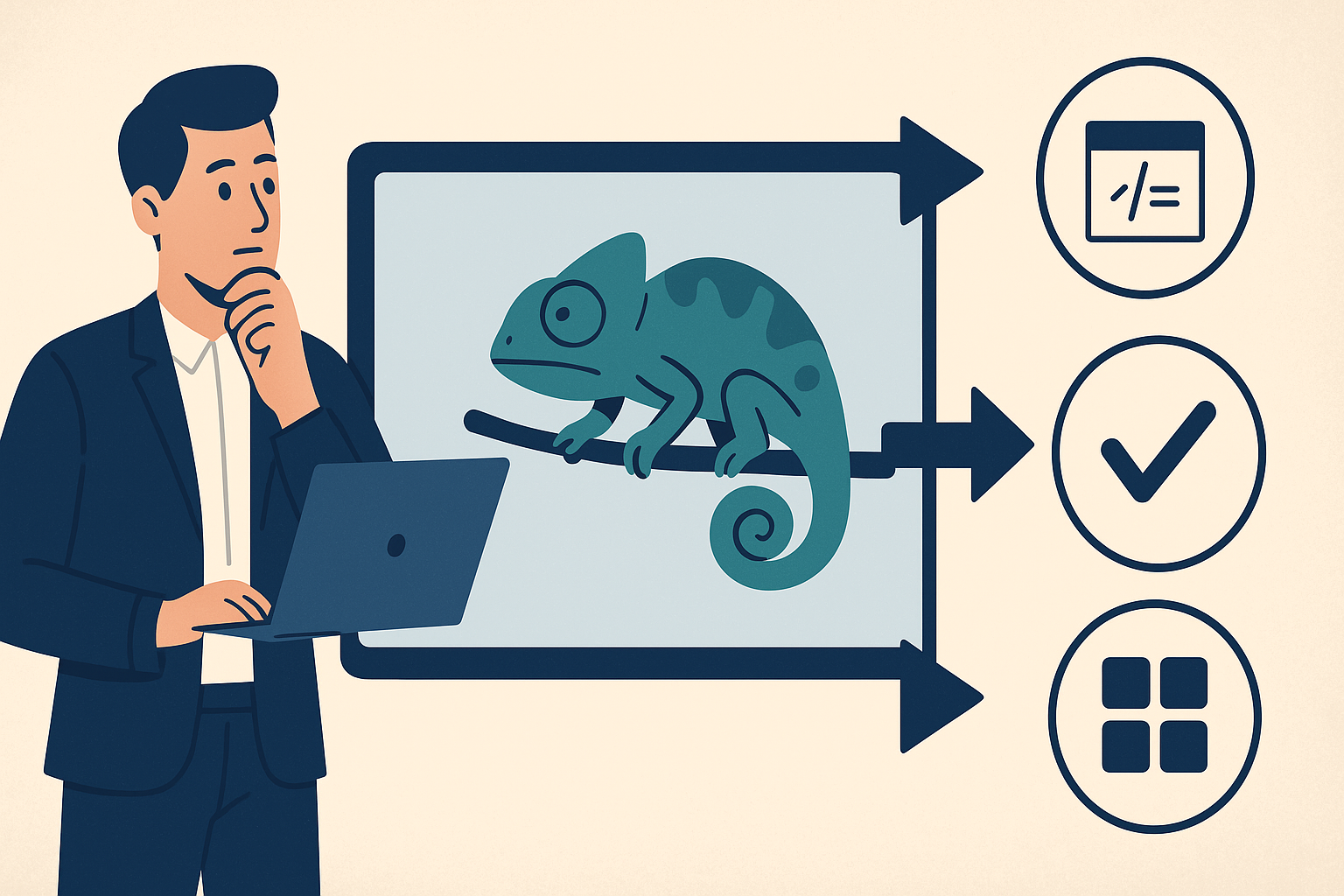
Chameleon Mode is a real-browser antidetect platform built on actual system browsers (Chrome, Edge, Safari) rather than modified Chromium forks. It adds a controlled spoofing and isolation layer that manages fingerprints while preserving the trust signals platforms expect from genuine browsers.
Core capabilities:
Browser profile isolation with unique fingerprints per identity
Advanced fingerprint management across canvas, WebGL, fonts, timezone, and screen resolution
Proxy integration with automatic IP-timezone-locale synchronization
WebRTC leak protection and IP masking
Persistent profiles that age naturally like real user accounts
Automation support via Playwright and Puppeteer
Team collaboration and scaling infrastructure
The platform sits between consumer VPNs and enterprise-grade antidetect browsers. It's designed for marketers managing multiple persistent accounts across platforms that aggressively fingerprint traffic—Google, Meta, Reddit, and advertising networks.
Key Features

Here's what sets Chameleon Mode apart in daily use:
Real Browser Architecture: Runs on your actual system browsers (Chrome, Edge, Safari), not modified Chromium. Result: platforms see legitimate browser signatures instead of suspicious forks—fewer flags, lower CAPTCHA rates, and better account longevity.
Profile Aging & Persistence: Each profile behaves like a real user over time, maintaining cookies, history, and trust signals. Critical for SEO pros managing long-term client accounts across Google properties where sudden credential resets trigger audits.
Smart Proxy Synchronization: Auto-matches IP location with timezone, language, and locale settings. Eliminates the #1 ban trigger—geo-mismatch errors that scream "bot" to fraud detection systems.
Lightweight Resource Usage: No heavy parallel Chromium instances. You can run 50+ profiles without melting your CPU—essential when managing multiple client campaigns simultaneously.
WebRTC & IP Leak Protection: Blocks real IP exposure at the protocol level. One leak can burn an entire proxy pool; this prevents it.
Pros

Drastically Fewer CAPTCHAs and Bans: Real browsers inherit legitimate trust signals that platforms recognize, resulting in notably lower detection rates compared to Chromium forks that are increasingly flagged by class
Account Longevity at Scale: Profiles age naturally like real users, making them ideal for managing client accounts that need to maintain reputation and access over months or years
60-70% Lower Resource Usage: No heavy browser forks means you can run significantly more profiles simultaneously without system slowdown—critical when managing dozens of campaigns
Superior IP-Geo Consistency: Automatic synchronization of proxy IP, timezone, and language prevents the mismatch errors that cause most platform flags in multi-account operations
Automation-Ready Architecture: Native compatibility with Playwright and Puppeteer lets you integrate existing workflows without rebuilding your tech stack
Cons
Steeper Learning Curve for Proxy Setup: You need to understand residential proxies, geo-matching, and IP rotation strategies to get optimal results. Beginners expecting plug-and-play simplicity may struggle initially—budget 2-3 hours to properly configure your first batch of profiles
Less Forgiving for Sloppy Workflows: The tool won't save you from basic operational security mistakes like reusing burned proxies or mixing account contexts. It assumes you understand multi-account fundamentals—not ideal if you're new to antidetect concepts
No Built-In Proxy Marketplace: Unlike competitors with integrated proxy providers, you'll need to source and manage your own residential or mobile proxies separately, adding another vendor relationship and billing cycle to track
Pricing Scales with Profile Count: While competitive, cost increases as you add more simultaneous profiles. Teams managing 100+ accounts will need to budget accordingly—though the lower ban rate typically offsets replacement costs
Real-World Use Cases
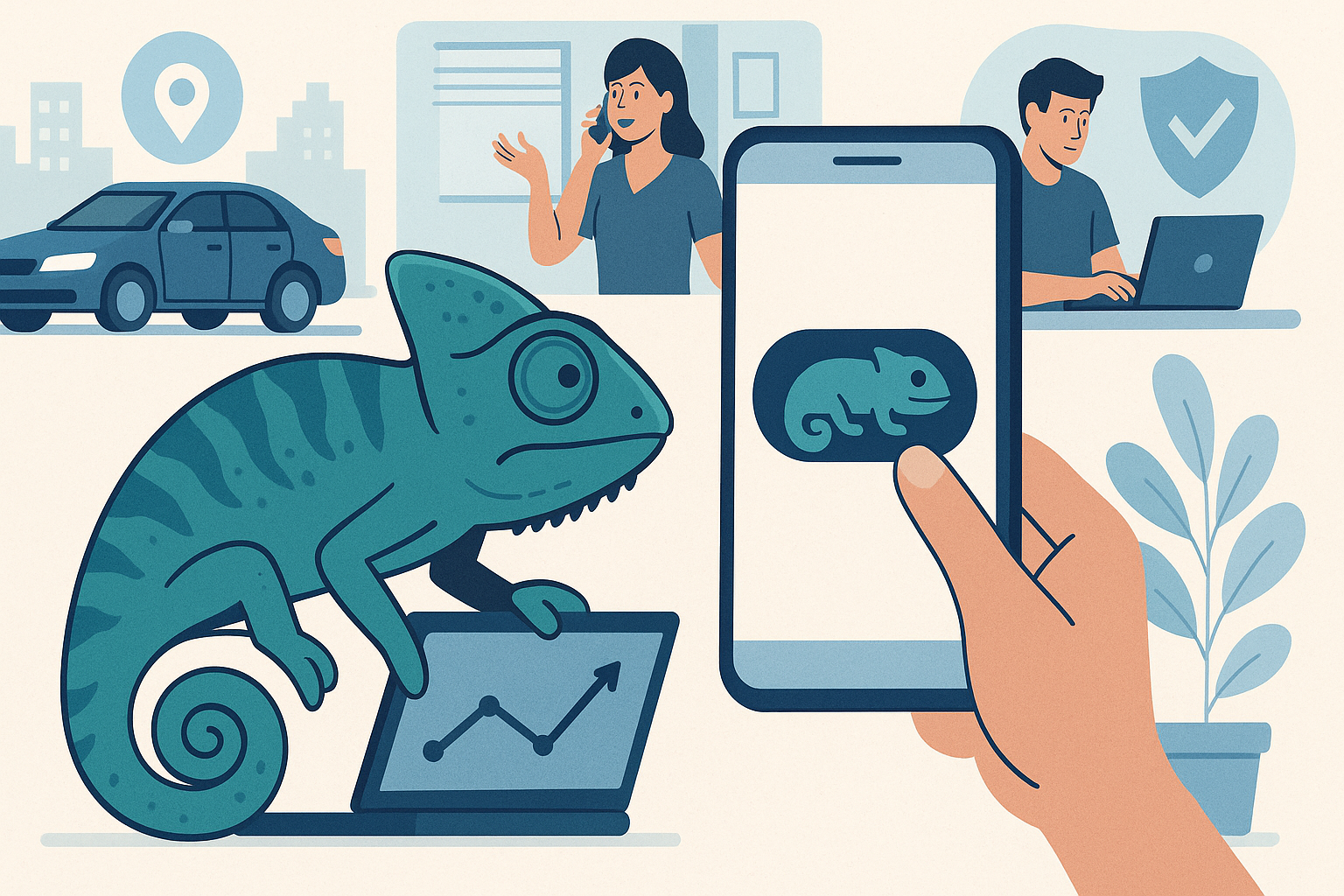
When managing 50+ aged Google Ads accounts for client campaigns, Chameleon Mode shines. Each profile persists login state for weeks without re-verification, and platform trust scores actually improve over time. You're not constantly fighting 2FA loops or suspended accounts.
For social media managers running Instagram or Facebook business profiles across multiple clients, the real-browser architecture means Meta's detection systems see legitimate Chrome sessions, not synthetic fingerprints. Profiles age naturally, reducing blocks when posting or engaging.
When scaling affiliate campaigns across Reddit or Twitter with 20+ aged accounts, the low resource usage means you can run dozens of profiles simultaneously without system lag. Proxy sync keeps timezone/IP/language aligned automatically.
NOT ideal for: Rapid account creation and burn strategies. If you're spinning up 100 throwaway accounts daily for aggressive spam tactics, you need a different tool. Chameleon Mode is built for asset protection, not churn velocity.
Alternatives
AdsPower: Choose this if you need a gentler onboarding experience with more visual hand-holding. Its dashboard is more intuitive for teams new to antidetect tools, and it offers a generous free tier (5 profiles). Trade-off: uses Chromium-based architecture, so expect more CAPTCHAs and slightly higher detection risk over time. Budget-friendly for small-scale operations.
Multilogin: The premium incumbent with enterprise-grade features and the longest track record. Pick this if you need white-glove support, compliance documentation for corporate use, or manage 500+ profiles with complex permission hierarchies. Significantly more expensive ($99–$399/month vs Chameleon's pricing), and still uses modified Chromium—but unmatched polish and reliability at scale.
GoLogin: Best budget alternative ($24/month) for social media marketers managing 10–20 accounts who don't need Chameleon's automation depth. Simpler feature set, faster setup, but profile aging and long-term account stability lag behind real-browser architecture.
Final Verdict

Bottom line: Chameleon Mode delivers what serious multi-account marketers actually need—lower detection risk and longer account lifespans through real browser architecture instead of detectable Chromium forks.
Perfect for: Digital marketers and SEO professionals managing 10+ accounts who prioritize account longevity over quick setup, understand proxy fundamentals, and need reliable scaling without constant platform battles.
Recommendation: Buy if you're managing valuable, long-term accounts across Google, Meta, or ad platforms. Skip if you're new to antidetect tools and need extensive onboarding. Consider alternatives if you prioritize UI simplicity over technical superiority.
The real differentiator? Your accounts age naturally instead of getting flagged as synthetic. For intermediate-to-advanced marketers tired of account churn, this is the upgrade.
Try Chameleon Mode risk-free and see the detection difference firsthand.
Comments
Post a Comment